
The importance of recitation of holy quran is essential for spiritual growth and proper worship. Quran recitation involves reading Allah’s words with correct pronunciation and reverence, supporting worship, guiding moral conduct, and preserving the text.
Learners must understand rulings, etiquette, and tajweed. Without proper guidance, recitation can become mere repetition, affecting confidence in prayer and leading to inconsistent practice.
The importance of recitation of holy quran
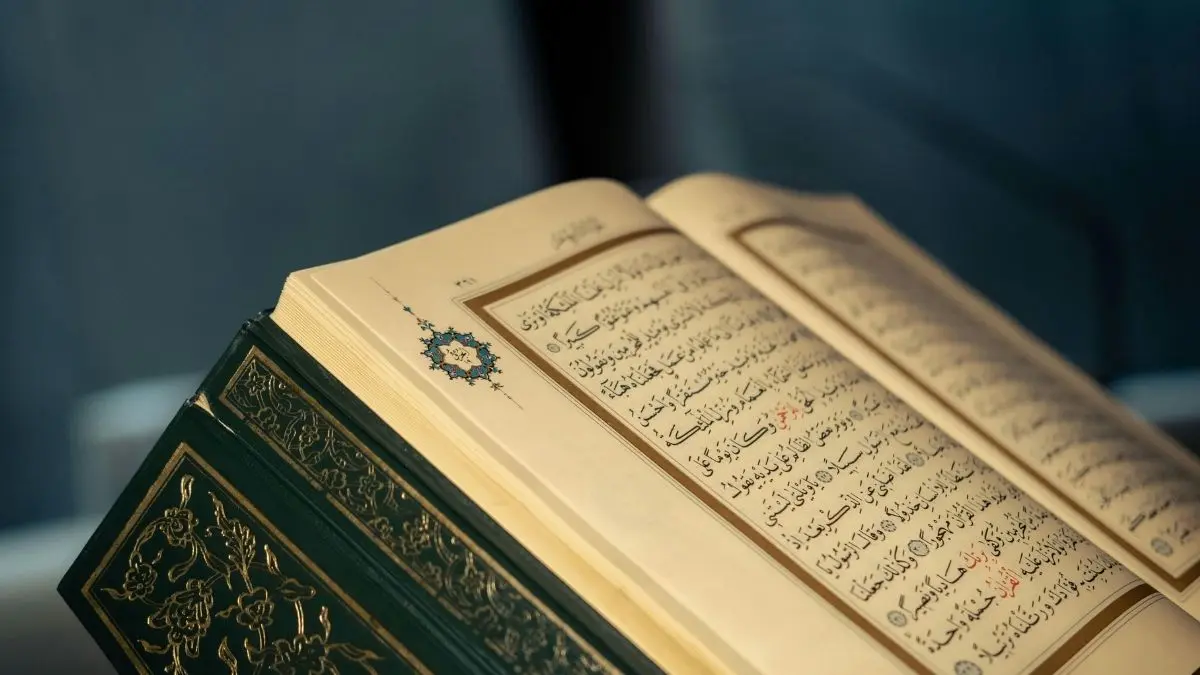
Daily recitation keeps a Muslim connected to Allah’s guidance through regular exposure to Quranic language, themes, and reminders, clearly reflecting the importance of recitation of holy quran in maintaining a strong spiritual routine. For learners who want to list the importance of the Quran, daily recitation provides practical insight into its role in guiding behavior, strengthening faith, and improving consistency in worship.
- Regular reading supports steadiness in prayer by improving fluency with common surahs.
- It builds a routine of dhikr that anchors the day around worship and reflection.
- It helps preserve memorization by frequent revision and controlled repetition.
- It develops confidence to recite aloud, especially for learners improving pronunciation.
- It reinforces basic adab, such as cleanliness, attentiveness, and respectful handling of the Mushaf.
- It clarifies that Quran recitation is a practice linked to guidance, not performance.
Spiritual Benefits of Quran Recitation
Reciting the Quran is an act of worship that nurtures taqwa, humility, and awareness of accountability. Understanding the Distinction Between Recitation and Tajweed helps deepen appreciation of its correct and mindful recitation. This clearly reflects the importance of recitation of the Holy Quran in strengthening a believer’s spiritual connection with Allah.
قال الله تعالى في القرآن:
﴿إِنَّ هَٰذَا الْقُرْآنَ يَهْدِي لِلَّتِي هِيَ أَقْوَمُ﴾ (سورة الإسراء: 9)
Allah says in the Quran: “Indeed, this Qur’an guides to that which is most upright…” (Surah Al-Isra 17:9).
- Recitation renews intention by repeatedly exposing the heart to divine guidance and warnings.
- It increases focus in salah because familiar verses are recited with greater presence.
- It supports repentance by reminding the reader of accountability and Allah’s forgiveness.
- It strengthens du‘a by providing Quranic wording and themes that shape requests.
- It teaches balance between hope and fear through repeated descriptions of reward and consequence.
How Quran Recitation Strengthens Faith and Connection with Allah
Faith grows through sincere, attentive repetition. Reciting the Quran strengthens faith and builds a consistent connection with Allah. Over time, it deepens certainty, especially when paired with reflection and daily application, as highlighted in hadiths about the benefits of consistent recitation.
- It strengthens iman by revisiting core beliefs about Allah, prophets، and the Hereafter.
- It builds reliance on Allah by repeatedly hearing promises of support and reward.
- It corrects misconceptions by returning to Quranic definitions of success, patience, and justice.
- It improves moral choices by keeping commands and prohibitions present in the mind.
- It deepens attachment to worship through familiar phrases that shape humility and gratitude.
The Role of Tajweed in Proper Quran Recitation
Tajweed is the set of rules that preserve correct pronunciation and delivery of Quranic words as they were transmitted. It matters because small changes in letters or vowel length can change meanings, which directly highlights the importance of recitation of holy quran in maintaining accuracy and preserving its true message. Many learners choose to learn Tajweed online to receive guided correction and practice with measured reading, especially when aiming to understand the 5 importance of the Quran in terms of accuracy, worship, reflection, discipline, and spiritual growth.
- Tajweed protects the meaning by distinguishing similar Arabic letters through correct articulation points.
- It preserves Quranic rhythm by applying madd, ghunnah, and pauses appropriately.
- It improves confidence in leading or participating in prayer with accurate recitation.
- It clarifies the 3 types of Quran recitation: tahqiq, tartil, and hadr, each with a purpose.
- It reduces common errors through consistent drills, listening practice, and teacher feedback.
Psychological and Emotional Benefits of Reading the Quran
Quran recitation can support emotional stability through structured attention, meaningful language, and regular pauses for reflection. While it is not a substitute for clinical care when needed, many learners find that recitation reduces scattered thinking and encourages patience. This also reflects the importance of recitation of holy quran in promoting inner peace and emotional balance.
قال الله تعالى:
﴿أَلَا بِذِكْرِ اللَّهِ تَطْمَئِنُّ الْقُلُوبُ﴾ (سورة الرعد: 28)
Allah says: “Verily, in the remembrance of Allah do hearts find rest.” (Quran 13:28).
- Focused reading slows impulsive thinking by training attention to sound, meaning, and pacing.
- Repeated passages support calmness through predictable rhythm and familiar wording.
- Reflection on divine wisdom encourages patience during stress and uncertainty.
- Recitation can reduce isolation by connecting a person to shared worship practices.
- Learning progress builds healthy confidence through measurable improvement in fluency and accuracy.
Rewards of Reciting the Quran in Islam
Islam teaches that recitation is rewarded, and the reward increases with sincere effort and correct practice. This highlights the importance of recitation of holy quran as a central act of worship in Islam. The focus is not only on quantity, but also on adab, persistence, and sound method.
قال النبي ﷺ:
«الماهرُ بالقرآنِ معَ السفرةِ الكرامِ البررةِ…» (رواه البخاري ومسلم)
The Prophet ﷺ said: “The one who recites the Qur’an fluently will be with the noble righteous scribes…” (Reported in Sahih al-Bukhari and Sahih Muslim).
- Reward is linked to sincerity, so recitation should be done for worship, not display.
Effort matters, especially for beginners who struggle while learning proper pronunciation. - Consistency is emphasized, making the benefits of reciting the Quran daily a practical goal.
- Recitation in prayer combines two acts of worship, increasing attentiveness and discipline.
- Learning with a teacher helps align reward with correct reading and respectful etiquette.
Importance of Understanding While Reciting the Quran
Reciting the Quran without understanding still counts as an act of worship, but understanding transforms recitation into guidance that shapes choices. For those who wish to learn Quran online, even basic comprehension—such as knowing key themes and repeated Quranic terms—improves reflection and helps connect verses to worship and character.
This deeper awareness also highlights the importance of recitation of holy quran as more than just reading, but as a source of guidance in daily life. A balanced approach joins sound reading with gradual study of meaning
How Regular Quran Recitation Impacts Your Daily Life
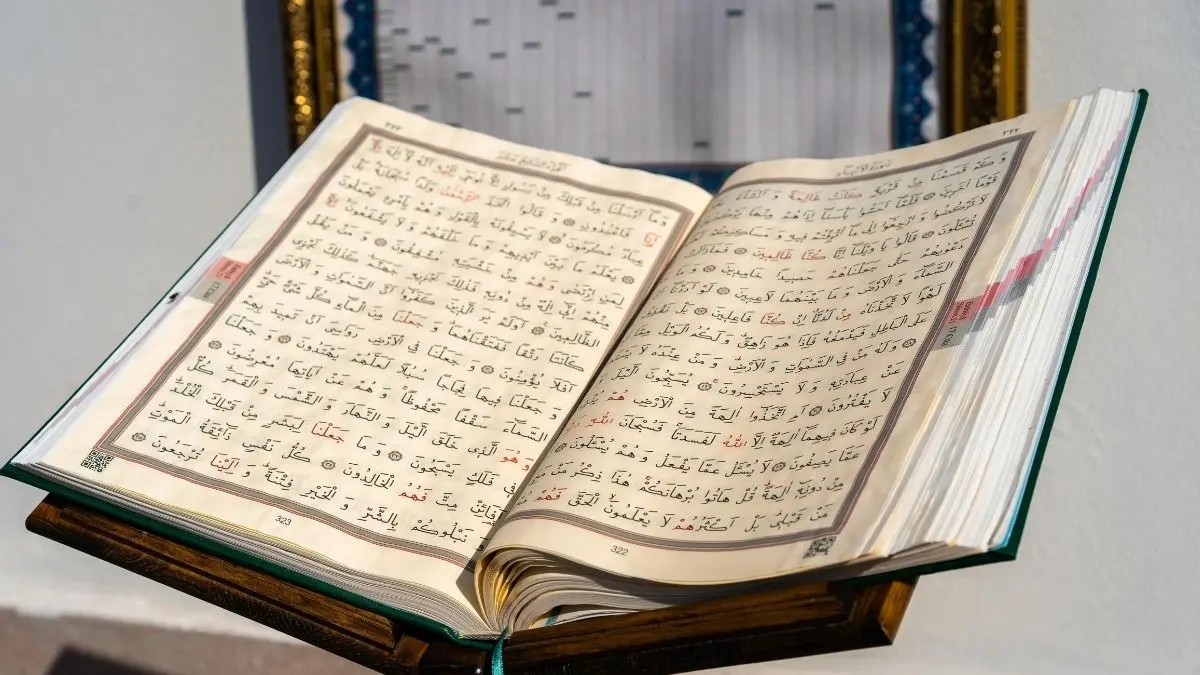
Regular recitation affects daily life by shaping habits, speech, and time management around worship. Its impact becomes practical when learners connect passages to real situations:
patience at work, honesty in transactions, and kindness in family life. Many learners develop clarity through guided lessons and structured study as they link reading to daily conduct.
- It improves time discipline by assigning a consistent portion and protecting it from distractions.
- It refines speech by increasing awareness of truthfulness, gentleness, and accountability.
- It supports decision-making by recalling Quranic priorities during conflict or temptation.
- It strengthens family routines when recitation is shared respectfully at home.
- It makes self-correction easier by keeping moral reminders present throughout the week.
Benefits of Quran Recitation for Kids and Adults
Kids and adults benefit differently because their learning needs and responsibilities differ, but both gain through structured practice, which highlights the importance of recitation of holy quran in developing lifelong habits of worship and discipline.
Kids build pronunciation habits early, while adults often focus on correcting mistakes and connecting recitation to worship quality. Following a family approach helps maintain consistency without pressure or unrealistic expectations.
- Children develop accurate letter formation and listening skills through repeated, supervised reading.
- Adults correct long-standing errors by slow practice and targeted tajweed revision.
- Both groups benefit from routine, such as short daily portions rather than irregular long sessions.
- Shared recitation supports motivation when goals are realistic, and progress is tracked.
- Age-appropriate explanation helps learners recognize key themes without overwhelming details.
How to Build a Consistent Quran Recitation Habit
Consistency comes from clear goals, a realistic schedule, and a method for correcting errors. Small, repeatable sessions are usually more effective than occasional long reading.
To build a consistent habit, you can follow these practical steps:
- Choose a fixed time daily and keep the portion small enough to sustain throughout the week.
- Use repetition by reviewing yesterday’s verses before adding new ones.
- Track common mistakes in a notebook, focusing on one rule or letter each week.
- Combine listening with reading to strengthen rhythm, pronunciation, and stopping rules.
- Set a simple goal aligned with the key benefits of Quran recitation, balancing worship, accuracy, and understanding.
Effective engagement with the Quran requires steady practice, correct method, and gradual comprehension, supported by brief reflection and sound recitation habits.
Learners often build this discipline through structured study settings such as Quran Bliss Academy. Continued learning should follow a measured, step-by-step plan.
Frequently Asked Questions About the Importance of the Recitation of the Holy Quran
What is the importance of recitation of holy quran in daily worship?
Quran recitation is essential in daily worship because it is part of salah and regular dhikr. It is also a regular act of dhikr outside prayer. It reinforces correct reading, strengthens focus, and keeps guidance present in a Muslim’s routine.
Is it still beneficial if I recite the Quran without understanding Arabic?
Yes, recitation remains an act of worship even when a learner does not know Arabic.
How much should I recite daily to gain the benefits of reciting the Quran daily?
A small, consistent portion is usually better than an irregular, large amount. Many learners start with a few verses or a short surah and then increase gradually.
Do I need tajweed for proper recitation, and can I learn tajweed online?
Yes, tajweed is important because it protects pronunciation and helps preserve meanings that can change with incorrect letters or vowel length.
What are the three types of Quran recitation, and which one should a beginner use?
The 3 types of Quran recitation are commonly described as tahqiq (very slow for precision), tartil (measured and clear), and hadr (faster while maintaining rules). Beginners usually start with tartil or tahqiq to build accuracy. Speed is increased only after letters and rules are stable.
Quran Recitation
with Tajweed
Master accurate Qur’an recitation with clear Tajweed rules.
Learn More