
Learning to recognize Arabic letters correctly is the first and most critical step in reading the Quran with accuracy and confidence. It forms the foundation for correct pronunciation, meaning, and the application of tajwid rules.
This topic is especially important in daily worship, where accurate recitation is required.
Learners asking about the best way to teach letter recognition often need guidance that connects visual identification to correct pronunciation and practical recitation. Without careful explanation, students may confuse isolated and connected forms, or rely on guessing rather than reading.
What Is Letter Recognition and Why Is It Important?
Letter recognition is the ability to identify a letter by its shape and name, then connect it to its sound. In Quran learning, this skill supports accurate recitation because Arabic letters used in the Quran change shape in connected script, and similar letters can be confused. A strong foundation prevents errors when learners begin reading short surahs and daily adhkar.
- Arabic letters have isolated and connected forms, so recognition must include both shapes.
- Confusing similar shapes (ب ت ث or ج ح خ) can change meaning and disrupt correct reading.
- Accurate identification supports later tajwid study because rules depend on precise letters and sounds.
- Early mastery helps students progress from learning Al-Fatiha for beginners to reading longer passages confidently.
- Consistent practice reduces guessing and builds steady fluency in Arabic letter recognition.
Best Way to Teach Letter Recognition for Beginners
A structured approach works best when teaching Arabic letter recognition, especially for beginners learning Quran reading. Instead of treating letters as isolated shapes, effective instruction connects visual form, sound, and application from the beginning.
In Quran-focused learning, the goal is not only recognition, but accurate reading. This means students must link each letter to its correct pronunciation (makhraj) and practice it within simple reading patterns early on.
A reliable method includes:
- Teaching letters in shape families such as (ب ت ث) to highlight dot differences
- Using high-contrast visual cards before introducing connected forms
- Pairing every letter with its sound and articulation point
- Applying immediate practice through two-letter combinations
- Reviewing consistently using short, spaced repetition sessions
This approach helps learners move from recognizing letters to actually reading with confidence, not just memorization.
Step-by-Step Method for Teaching Letter Recognition
A clear, step-by-step system is essential, especially for young learners. Without structure, children often confuse similar letters or develop incorrect reading habits early, An effective progression includes:
1. Limited Letter Introduction
Introduce only 2–3 letters at a time, making sure they are visually distinct.
2. Discrimination Practice
Mix new letters with previously learned ones to train the learner to differentiate shapes and sounds accurately.
3. Reinforced Memory
Use tracing or air-writing to strengthen visual recognition without shifting focus to handwriting.
4. Early Reading Application
Move quickly to micro-reading, combining letters with short vowels to form syllables.
5. Continuous Assessment
Apply short weekly checks to decide whether the learner should repeat or move forward.
6. Focused Home Practice
Assign clear, short review tasks instead of general instructions, ensuring consistent practice without overwhelming the learner.
This method reduces confusion and builds a stable reading foundation from the start.
How to Teach Arabic Letters Effectively for Kids (Quran-Based Approach)
When teaching Arabic for Quran reading, the process must follow a specific learning sequence, not random exposure to letters.
One of the most effective structured systems used in Quran education is the Noor Al-Bayan method, which focuses on gradual skill building.
In a well-designed Quran course, the learning path typically follows:
Letter Recognition → Harakat → Controlled Reading
- Students learn letter shapes, names, and sounds together
- Then move to harakat (short vowels) for accurate pronunciation
- Then begin reading connected letters and words step by step
A key advantage of this system is that learners do not stay in the “recognition phase” for too long. Instead, they quickly transition into real reading practice, which is essential for Quran recitation.
Phonics vs Visual Learning in Letter Recognition
Both visual recognition and phonics-style sound mapping are needed for Quran reading. Visual learning helps identify the letter’s shape, while phonics connects the letter to correct articulation and vowel patterns. A balanced method prevents learners from “knowing the letter” but still mispronouncing it during recitation.
Approach | Main Strength | Common Risk |
Visual learning | Fast identification of shapes and dot patterns. | Students may guess pronunciation without sound accuracy. |
Phonics (sound mapping) | Builds correct sound-letter connection and reading readiness. | connected script |
Blended method | Supports recognition, pronunciation, and reading in context. | Requires structured sequencing and consistent review. |
Fun Activities to Improve Letter Recognition Skills
Well-designed games can strengthen recognition without replacing structured teaching. Fun ways to teach letter recognition work best when activities are short, repeated, and tied to a clear target set of letters. Activities should train discrimination between similar letters and quick retrieval under gentle time pressure.
- Use “find the letter” grids mixing similar shapes to build discrimination and reduce confusion.
- Play letter-sound matching with cards, requiring both naming and pronunciation in one response.
- Use tactile activities like sand-tracing, then immediate recognition checks from printed forms.
- Do rapid sorting games by dot count and position to strengthen attention to distinctive features.
- Practice short “read and point” lines that resemble Mushaf flow for early contextual familiarity.
Common Challenges in Teaching Letter Recognition
Common challenges usually come from similarity between letters, inconsistent practice, or moving too quickly into reading before recognition is stable. Some learners may experience slow progress because they rely on memorizing a page’s look rather than true identification. In Quran study, these issues can later affect fluency and confidence.
- Similar letter families cause persistent errors if dot placement is not trained through contrast drills.
- Connected script creates confusion when learners only practice isolated forms on flashcards.
- Irregular home review leads to “resetting” each lesson, slowing progress significantly.
- Students may need targeted support for how to teach letter recognition to struggling students through smaller steps.
- Overloading many letters at once reduces retention, even when students seem to recognize them initially.
How Long Does It Take to Learn Letter Recognition?
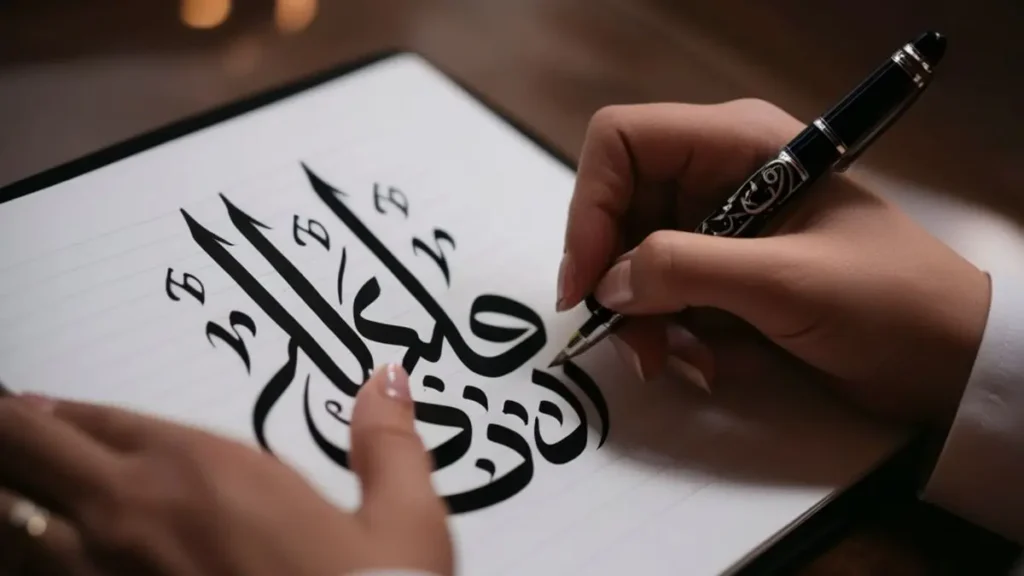
Time varies by age, practice quality, and lesson structure. Most beginners can recognize many letters within weeks, but consistent accuracy in connected forms typically requires longer, especially when adding harakat and early reading. In Quran learning, the goal is not speed, but stable recognition that supports correct recitation.
- Daily practice of 10–15 minutes generally produces better retention than long weekly sessions.
- Kindergarten learners often need more repetition because attention and visual discrimination are still developing.
- Adult learners may progress faster visually but require careful work on sound accuracy and articulation.
- Connected-form mastery often takes longer than isolated-form recognition, so timelines should reflect both.
- Allah says: “And We have certainly made the Qur’an easy for remembrance…” (Surah Al-Qamar, 54:17)
Tools and Resources for Teaching Letter Recognition
Effective tools make practice clear, controlled, and easy to repeat. For Quran learners, resources should include connected-letter exposure, sound guidance, and gradual reading lines. Many students also benefit from guided sequencing and teacher feedback when they choose to learn the Quran online in a structured format.
- Use graded primers that introduce letters, then harakat, then short reading lines in a controlled order.
- Choose flashcards that show isolated and connected forms together to prevent shape “surprises” later.
- Use audio models for correct pronunciation so students do not self-invent sounds.
- Apply printable worksheets only after recognition, so writing practice reinforces rather than confuses learning.
- Short daily quizzes help track progress and identify letters needing intervention early.
How to Practice Letter Recognition at Home
Home practice should be brief, specific, and consistent, focusing on recall rather than passive viewing. Parents and learners can support lessons by reviewing the same small set of letters in multiple ways. The goal is rapid, accurate identification in both isolated and connected forms.
- Review 5–7 letters daily using a mixed deck, not the same order each time.
- Require two responses: name the letter, then pronounce its sound clearly.
- Practice “spot the letter” in short printed words to build connected-form recognition.
- Use letter recognition activities that include contrast pairs to fix recurring confusions.
- Keep records of errors so that practice targets weaknesses rather than repeating what is already mastered.
Signs That a Child Has Mastered Letter Recognition
Mastery means consistent, independent identification across contexts, not occasional correct answers. In Quran learning, learners should recognize letters in connected script and link them to correct sounds. This prepares them for vowel reading, word blending, and early tajwid awareness.
- The child names letters correctly when they appear in random order, not only in sequence.
- The child distinguishes similar letters quickly by dot position and count without long hesitation.
- The child recognizes letters inside words, including beginning, middle, and end forms.
- The child produces a stable sound for each letter, supporting accurate early reading attempts.
- The Prophet ﷺ said: “The one who is proficient in reciting the Qur’an will be with the noble righteous scribes.” (Hadith – Bukhari/Muslim).
Read More : Quran Tajweed Lessons for Beginners & Advanced Students
Mistakes to Avoid When Teaching Letters
Common teaching mistakes often create confusion that later requires correction during reading and tajwid study. Avoiding these issues keeps progress steady and reduces frustration for learners. A structured approach also helps teachers decide when to repeat, when to advance, and how to correct without overloading the student.
- Do not teach too many similar letters together before learners can reliably discriminate their dot patterns.
- Do not rely only on copying or tracing, because recognition depends on recall, not handwriting repetition alone.
- Do not delay connected-form exposure, since Quran reading depends on connected script recognition.
- Do not correct pronunciation casually; small sound errors can become habits that affect recitation later.
- Many learners achieve faster and more accurate results through guided lessons at Quran Bliss Academy, where structured methods and expert feedback are applied consistently.
- Allah says: “And recite the Qur’an with measured recitation.” (Surah Al-Muzzammil, 73:4).
An effective approach to teaching letter recognition combines brief daily drills with immediate correction and gradual transfer into reading with harakat. Allah says: “And recite the Quran with measured recitation.” (Surah Al-Muzzammil, 73:4)
Learners often refine these foundations through structured study environments such as Quran Bliss Academy. Continued, methodical practice supports dependable progress within a coherent curriculum.
Frequently Asked Questions:
What is the best way to teach letter recognition for Quran reading?
Use a structured sequence that links each Arabic alphabet for beginners to its sound and common connected forms. The focus should be on accurate identification before speed. Early Quran reading skills work best when learners practice mixed-letter review, compare similar dot patterns, and read short syllables with harakat to confirm real decoding.
How do I teach letter recognition to kindergarten learners using Arabic letters?
Keep sessions short, predictable, and multisensory, similar to how to teach letter recognition to kindergarten routines. Introduce a small set of letters, practice naming and pointing, then add tracing and simple matching. End by identifying the letters inside a short Quranic word, so recognition transfers into reading.
How can I help students who keep confusing similar Arabic letters?
Use a targeted discrimination practice that isolates the confusing pairs and tests them in random order. This approach matches how to teach letter recognition to struggling students because it reduces overload. Focus on dot location, stroke shape, and connected forms in words, correcting errors immediately to prevent habit.
Is phonics necessary, or is visual memorization enough for letter recognition?
No, visual memorization alone is not enough for reliable Quran recitation. Learners may identify shapes but still produce incorrect sounds without phonics-based practice. A combined method is stronger: teach the letter’s form, then train articulation and sound blending with harakat to support accurate reading beyond flashcards.
How long does it take to see progress with the best way to teach letter recognition?
Progress is often noticeable within a few weeks of consistent daily practice, but timelines vary by age and review quality. The best way to teach letter recognition includes spaced repetition, connected-form exposure, and brief decoding tasks. If learners reach a plateau, a letter identification intervention or a kindergarten-style schedule can help.


Quran Recitation
with Tajweed
Master accurate Qur’an recitation with clear Tajweed rules.
Learn More