

The difference between Makhraj and Tajweed lies in two essential aspects of Quran recitation. Makhraj refers to the exact point from which each Arabic letter is pronounced, while Tajweed defines the rules that control how these letters should be articulated correctly.
Understanding both is crucial for accurate Quran recitation, as it helps prevent pronunciation errors, preserves the meaning of words, and enhances overall fluency. In this guide, we will break down their differences, importance, and how to master them effectively.
Understanding the Difference Between Makhraj and Tajweed
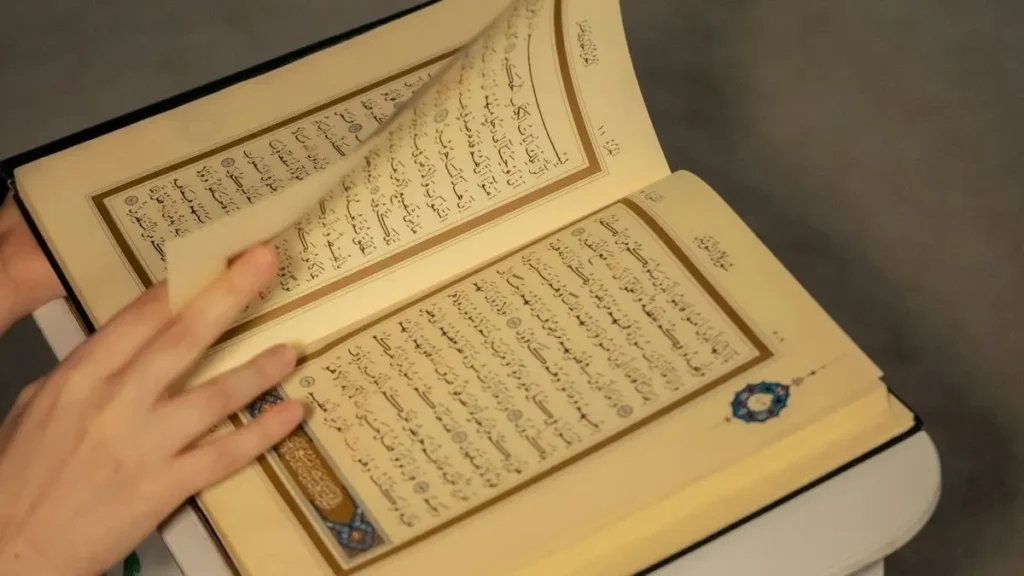
To understand the Difference Between Makhraj and Tajweed, we first need a clear definition of each concept:
What is Makhraj?
- Linguistic Definition:
Makhraj (plural: Makharij) refers to the exact point of articulation from which a letter is pronounced. - Terminological Definition:
In Tajweed, Makharij are the specific positions in the vocal tract that distinguish one letter (harf) from another, ensuring accurate Quran recitation. Understanding the meaning of Tajweed in Islam highlights the importance of correct articulation.
What is Harf (Letter)?
- Linguistic Definition:
The word harf literally means “tip” or “edge.” - Terminological Definition:
A harf is a sound produced from a specific Makhraj. Mastering each letter through Quran Tajweed lessons helps apply pronunciation rules correctly and avoid recitation mistakes.
Why Understanding Makhraj Matters?
For those asking, “Is reading the Quran without Tajweed wrong?” or “How can I get Ijazah in Tajweed?”, mastering Makhraj is the foundation. It allows learners to pronounce letters accurately and clearly understand the key differences between Makhraj and Tajweed in real recitation.
Many platforms, such as Quran Bliss Academy, offer structured courses to help you learn Tajweed online, practice correct Makharij, and improve your recitation skills effectively.
Types of Makhraj in Tajweed: A Complete Guide
To understand the difference between makhraj and tajweed, let’s break down the types of makhraj as explained by Quran Bliss Academy:
Type of Makhraj | Definition | How to Identify | Example Letters |
Makhraj Mohaqaq | Articulation involves a specific part of the mouth or throat. | Pronounce the letter in Sukun (no vowel) or Mushaddad form (doubled). Add a “hamzat-ul-wasl” with diacritical marks. The point where airflow is obstructed shows the exact Makhraj. | 28 Arabic letters including ص, ض, ط, ظ |
Makhraj Moqadar | Articulation does not rely on a specific point in the mouth. Sound flows freely from the oral cavity. | Pronounce the letter after a consonant with a matching diacritical mark, like fathah before madd (e.g., alif). Listen carefully: the sound exits without obstruction. | Alif (ا) |
Mastering the makhraj of each letter is essential for proper Quran recitation. Platforms like Quran Bliss Academy offer structured guidance, private classes, and learning 10 Qiraat online. Understanding the articulation vs pronunciation rules ensures accurate pronunciation and adherence to Quranic rules.
The Importance of Makhraj in Tajweed
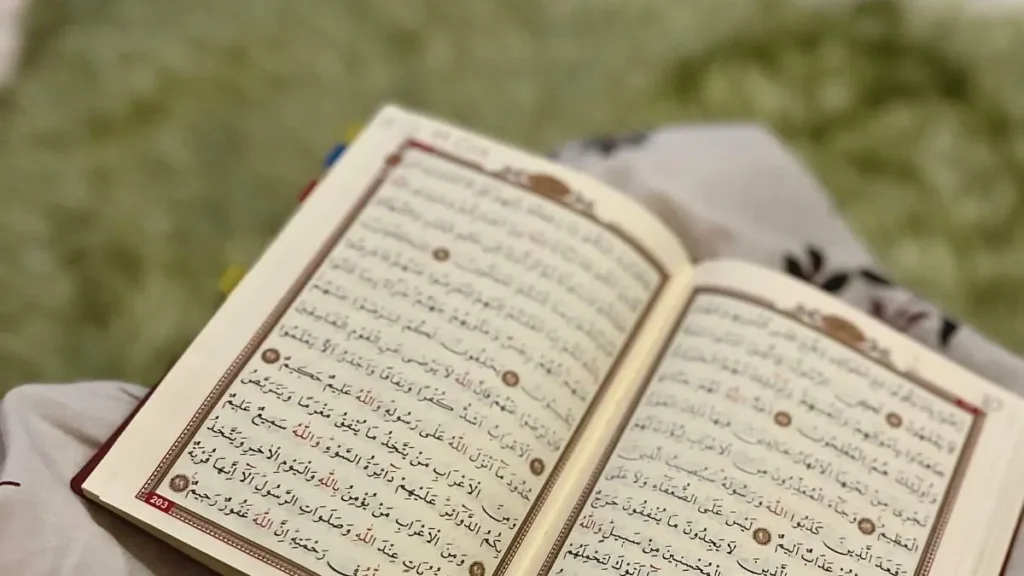
Reading the Quran with accuracy requires knowing the points of articulation for each letter and following Tajweed rules. The difference between makhraj and tajweed is key to proper recitation,Here’s how it works:
- Each Arabic letter has a Makhraj, which is the exact point of articulation from which it originates
- Tajweed is the set of rules that govern correct pronunciation, elongation, and pauses during Quran recitation
- Some letters have similar Makhraj points making it easy to confuse them without proper guidance
- Understanding both Makhraj and Sifaat prevents altering the meaning of Quranic words
- Learning Quran Makhraj and Tajweed ensures recitation is precise and faithful to the divine text
- Platforms like Quran Bliss Academy allow learners to learn tajweed online with structured lessons and expert support
- Exploring related topics such as meaning of tajweed in Islam, Tajweed courses, is reading quran without tajweed wrong, how to get ijazah in tajweed, what is iqlab in tajweed, and makhraj vs tajweed deepens understanding
Mastering Makhraj and Tajweed equips reciters to read the Quran accurately and with devotion, preserving its true meaning and beauty
5 Key Makhraj Points in Tajweed
Understanding the Difference Between Makhraj and Tajweed starts with identifying where each Arabic letter originates. Makhraj defines the point of articulation, while Tajweed governs how the sound is pronounced correctly during recitation.
Makhraj refers to where the sound comes from in the mouth or throat, while Tajweed explains how to pronounce that sound correctly. Mastering both ensures accurate Quran recitation.
1. Al-Jawf (Oral Cavity)
The jawf is the empty space inside the mouth and throat where air flows freely without tongue contact.
Letters:
- Alif Sakin preceded by Fatha (ا)
- Waw Sakin preceded by Dammah (و)
- Yaa Sakin preceded by Kasrah (ي)
2. Al-Halq (The Throat)
The throat is divided into three articulation points:
- Aqsal Halq (Deepest Part): ء (Hamzah), ه (Ha)
- Wastul Halq (Middle Part): ع (Ayn), ح (Ha)
- Adnal Halq (Closest Part): غ (Ghayn), خ (Kha)
3. Al-Khaysoom (Nasal Cavity)
This is the nasal passage responsible for Ghunnah (nasal sound).
Key Points:
- Appears with ن (Noon) and م (Meem) with Shaddah
- Lasts for two counts
- Also applies in Noon Sakinah, Tanween, and Meem Sakinah rules
4. Al-Lisaan (The Tongue)
The tongue has multiple articulation areas:
- Back of Tongue: ق (Qaf), ك (Kaf)
- Middle of Tongue: ي (Yaa – touches the roof of the mouth)
- Sides of Tongue: ض (Dad), ل (Lam)
- Tip of Tongue: ن، ر، ت، د، ط، ص، س، ز، ث، ظ، ذ
5. Ash-Shafataan (The Lips)
The lips control specific articulation points:
- م (Meem): Lips fully closed (dry contact)
- ب (Ba): Lips closed with slight moisture
- و (Waw): Lips rounded without full closure
Why These Makhraj Points Matter
Mastering these articulation points is essential for applying Tajweed rules correctly. It helps avoid pronunciation errors, preserves the meaning of Quranic words, and strengthens your understanding of the Difference Between Makhraj and Tajweed.
For learners aiming to improve recitation, learn Tajweed online, or earn an Ijazah, focusing on Makharij is the first and most important step.
Knowing the Difference Between Makhraj and Tajweed is essential for anyone serious about Quran recitation. Mastering both ensures accurate pronunciation, preserves the true meaning of the words, and enhances the overall spiritual experience. With the right guidance and consistent practice, learners can confidently improve their recitation skills and apply Tajweed rules correctly.
Frequently Asked Questions (FAQ)
What is Makhraj in Tajweed?
Makhraj is the articulation point of an Arabic letter, determining where and how the sound is produced.
How many Makhraj are there in Tajweed?
There are five main Makhraj: Jawf (mouth and throat), Al-Halq (throat), Al-Khaysoom (nasal cavity), Al-Lisaan (tongue), and Shafataan (lips).
Can I learn Tajweed online?
Yes, platforms like Quran Bliss Academy offer online courses to master Tajweed and Makhraj.
Is reading Quran without Tajweed wrong?
While the Quran can be read without Tajweed, correct pronunciation is highly recommended to preserve its meaning.
What is the difference between Makhraj and Tajweed?
Makhraj refers to the articulation points of letters, while Tajweed encompasses all rules for correct recitation.

Quran Recitation
with Tajweed
Master accurate Qur’an recitation with clear Tajweed rules.
Learn More