
Surah Al-Fatiha is the first chapter of the Quran and the most important surah for beginners.
It contains 7 verses and is recited in every unit of prayer (Salah). Learning it is the first essential step in Quran recitation.
In this guide, we will explore effective methods for learning Al Fatiha, tips for improving Quran recitation, and practical strategies to help beginners progress step by step.
Learning Surah Al-Fatiha for beginners is the first step to reading the Quran correctly and performing daily prayers with confidence.
What is Surah Al-Fatiha?
Surah Al-Fatiha is the first chapter of the Quran and contains seven verses. It is recited in every unit of the Muslim prayer (Salah), making it the most frequently recited chapter of the Quran. Because of its importance, many beginners start their Quran learning journey by memorizing Surah Al-Fatiha first.
Why Surah Al-Fatiha Is the Best Place to Start?
For every beginner, surah al-fatiha is the ideal starting point when learning the Quran. It is short, powerful in meaning, and recited multiple times every day during prayer.
When focusing on learning Al Fatiha for beginners, students develop several important skills:
- Correct pronunciation of Arabic letters
- Understanding the rhythm of Quranic recitation
- Memorization techniques that help with other surahs
- Confidence in reading the Quran regularly
Many teachers recommend starting with learning surah fatiha word by word, especially for beginners who are unfamiliar with Arabic pronunciation.
The chapter is also known as sorat al fatiha, and its meanings include praise of Allah, seeking guidance, and asking for the straight path. Because of its central role in prayer, mastering this surah is essential before moving forward in Quran study.
How to Learn Surah Al-Fatiha for Beginners?

One of the most effective ways to learn Surah Al-Fatiha is to follow a structured and gradual approach:
- Learn correct pronunciation first
- Study the surah word by word
- Listen to professional reciters
- Practice daily with repetition
1. Learn the pronunciation first
Beginners should focus on recognizing and pronouncing Arabic letters correctly. This includes understanding the articulation points of letters and practicing basic sounds before reading full verses.
2. Learn Surah Fatiha word by word
A helpful technique is to learn surah fatiha word by word. This approach allows beginners to:
- Understand each word clearly
- Improve pronunciation accuracy
- Memorize verses more easily
- Avoid reading mistakes
3. Listen to correct recitation
Listening regularly to skilled reciters helps beginners learn the correct rhythm and tone. Repeating after the reciter can significantly improve pronunciation.
4. Repeat daily
Consistency is essential. Reading the surah multiple times every day helps reinforce memory and improves fluency.
By following these steps, learning Al Fatiha for beginners becomes easier and more enjoyable.
Simple Memorization Techniques for Beginners
Learning Method | How It Works | Main Benefit for Beginners |
Word-by-Word Learning | Students learn each word of Surah Al-Fatiha separately before reading the full verse. | Improves pronunciation and helps beginners understand the structure of the verse. |
Listening and Repeating | Learners listen to a skilled reciter and repeat the verse several times. | Helps develop correct rhythm and Tajweed pronunciation. |
Sequential Memorization | Students memorize one verse at a time and then connect it with the next verse. | Makes memorization easier and prevents forgetting verses. |
Repetition Method | The surah is repeated multiple times daily while reading and listening. | Strengthens memory and increases recitation fluency. |
Learning with a Teacher | Students practice recitation with a qualified Quran teacher. | Helps correct mistakes and improve Tajweed accuracy. |
Memorizing Quranic verses may seem difficult at first, but several proven techniques can make Al-Fatiha for beginners much easier.
Sequential memorization
This method focuses on memorizing each verse and then connecting it to the next verse.
Steps include:
- Memorize the first verse of surah al-fatiha
- Repeat it several times until it becomes easy
- Add the second verse and recite them together
- Continue until the entire surah is memorized
Section-based memorization
In this approach, the surah is divided into smaller parts.
Benefits include:
- Easier concentration
- Faster memorization
- Better retention of verses
Repetition method
Repetition remains one of the most powerful ways to memorize the Quran.
A simple routine may include:
- Reading the surah 10–15 times
- Listening to a reciter while following the text
- Reciting from memory during daily prayers
Using these techniques helps strengthen the process of learning Surah Al-Fatiha and builds a strong foundation for learning other chapters like surah al falaq.
Best Ways to Learn Quran Online for Beginners
Platforms such as Quran Bliss Academy provide structured lessons specifically designed for beginners. Some advantages of online Quran learning include:
- Flexible learning schedules
- One-on-one sessions with teachers
- Interactive learning tools
- Recorded lessons for revision
For students focusing on beginner Quran learning, online classes can provide detailed guidance in pronunciation and Tajweed rules.
Tips to Improve Quran Recitation for Beginners
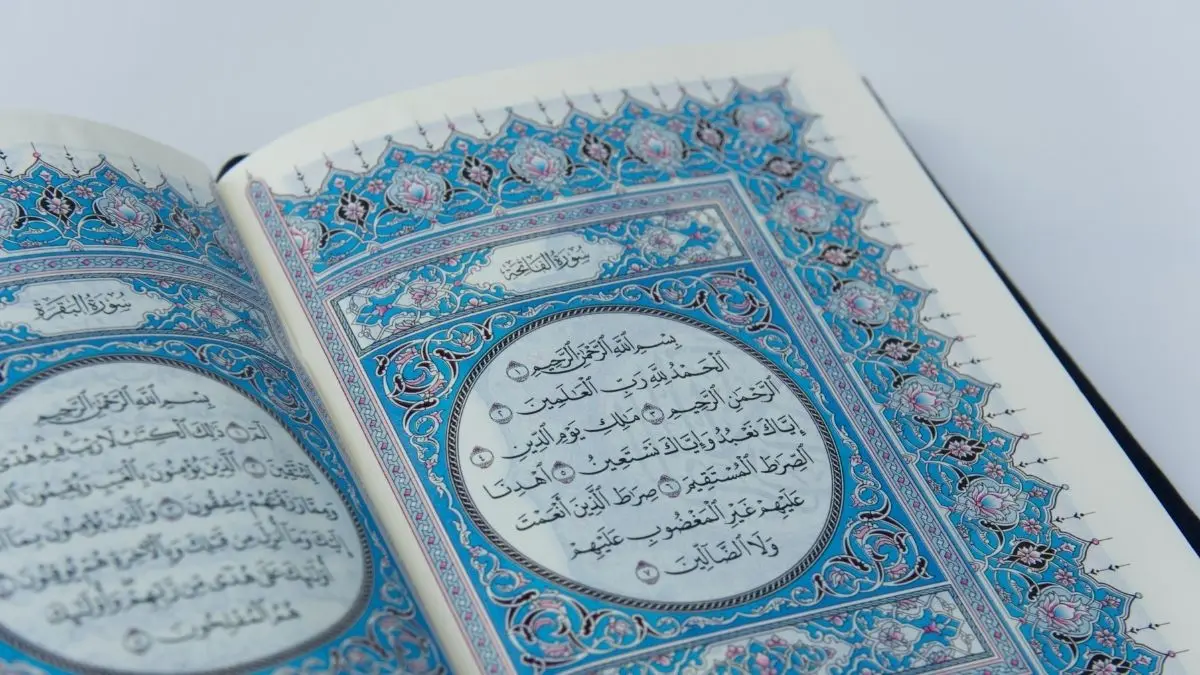
Improving Quran recitation requires dedication and practice. Whether you are starting with beginner Quran learning or progressing to other surahs, the following tips can help.
1. Follow Tajweed rules
Learning Tajweed ensures that Quranic letters are pronounced correctly and that recitation follows the traditional rules.
2. Listen regularly
Listening to professional reciters helps beginners learn the proper tone and rhythm.
3. Practice daily
Daily practice strengthens memory and improves reading fluency.
4. Use Tajweed-colored Quran
Many Qurans highlight Tajweed rules with colors, making it easier for beginners to identify pronunciation rules.
5. Study with a teacher
Although self-learning is possible, studying with a qualified teacher greatly improves accuracy and confidence.
These steps help beginners progress steadily while mastering Al Fatiha for beginners.
Can Beginners Learn Al Fatiha Without a Teacher?
Yes, it is possible to learn the Quran without direct instruction.
Technically, beginner Quran recitation can begin through self-study, especially with the availability of online lessons and educational resources.
However, learning with a teacher is highly recommended because a teacher can:
- Correct pronunciation mistakes
- Explain Tajweed rules
- Provide structured learning plans
- Monitor progress and improvement
If a local teacher is unavailable, online platforms such as Quran Bliss Academy allow students to learn Quran online through virtual classes with experienced instructors.
This approach combines convenience with proper guidance, making memorizing Al-Fatiha more effective.
The Spiritual Benefits of Learning Surah Al-Fatiha
Beyond memorization and recitation, surah al-fatiha carries deep spiritual significance. Learning and understanding this chapter strengthens a Muslim’s connection with Allah.
Some of the spiritual benefits include:
- Strengthening faith and devotion
- Increasing focus during prayer
- Understanding the message of guidance in the Quran
- Building a strong foundation for learning other surahs
Because it is recited in every prayer, mastering Al Fatiha for beginners helps Muslims perform Salah with confidence and sincerity.
How Al-Fatiha Helps Beginners Continue Learning the Quran
Once students become comfortable with starting Quran learning, they often feel motivated to continue learning other chapters.
Many learners then move on to short surahs such as:
- surah al falaq
- Surah Al-Ikhlas
- Surah An-Nas
These short chapters help beginners develop fluency and strengthen memorization skills.
Additionally, continuing Quran study encourages learners to deepen their understanding of the Quran’s meanings and teachings.
Practical Daily Plan for Learning Al Fatiha for Beginners
Creating a daily learning routine can make a significant difference in progress.
A simple daily plan may include:
- Listening to the recitation of surah al-fatiha
- Practicing learn Surah Al-Fatiha word by word
- Reading the surah aloud several times
- Reviewing memorized verses
- Studying with a teacher or online lesson
Even spending 15–20 minutes each day can greatly improve progress in learning Al Fatiha for beginners.
Consistency is more important than long study sessions.
Common Mistakes Beginners Should Avoid
When starting their Quran journey, beginners sometimes face challenges that can slow their progress.
Common mistakes include:
- Rushing through verses without proper pronunciation
- Ignoring Tajweed rules
- Memorizing without understanding meaning
- Practicing irregularly
- Avoiding guidance from teachers
Being aware of these mistakes helps learners stay focused while improving their recitation skills.
By following correct methods, learning Al Fatiha for beginners becomes a rewarding and enjoyable experience.
Starting the journey of Quran learning is a noble step, and learning Al Fatiha for beginners is the perfect place to begin. As the opening chapter of the Quran and the most frequently recited surah in daily prayers, mastering Surah Al-Fatiha helps build a strong foundation for Quran recitation.
Frequently Asked Questions
Why is learning Al Fatiha important for beginners?
Learning Al Fatiha for beginners is essential because this surah is recited in every unit of the daily prayers. Without correctly reciting Surah Al-Fatiha, the prayer is not valid. It is also the opening chapter of the Quran and contains important meanings about praising Allah and asking for guidance.
What is the best way to learn Surah Al-Fatiha?
The best method is to learn Surah Al-Fatiha word by word while listening to correct recitation. Beginners should repeat each verse several times, practice pronunciation, and review daily. This method helps make learning Al Fatiha for beginners easier and improves memorization.
How long does it take to memorize Surah Al-Fatiha?
Most beginners can memorize it within a few days to two weeks with daily practice and repetition.
Can beginners learn Surah Al-Fatiha online?
Yes, many students now prefer to learn Quran online through structured lessons. Online platforms such as Quran Bliss Academy provide beginner-friendly classes that help students improve pronunciation and memorize surah al-fatiha step by step.
Should beginners learn Tajweed when learning Al-Fatiha?
Yes, learning Tajweed is highly recommended. Tajweed rules help beginners pronounce Quranic letters correctly and recite verses properly. Applying Tajweed while learning Al Fatiha for beginners ensures accurate recitation during prayer.
Quran Recitation
with Tajweed
Master accurate Qur’an recitation with clear Tajweed rules.
Learn More