

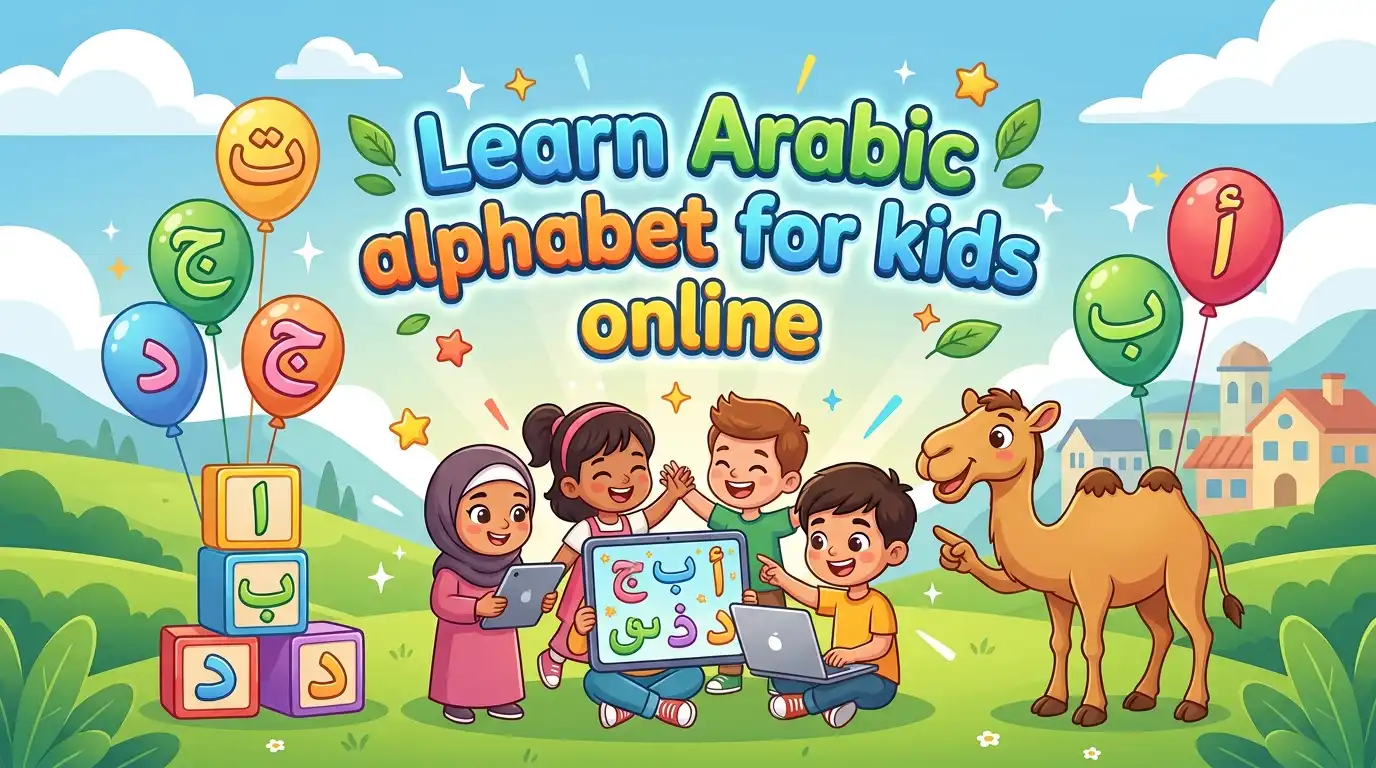
Learn Arabic Alphabet for Kids Online, Ages 4–12 Free Trial Class
How can children learn the Arabic alphabet online effectively? The best approach is through structured, interactive lessons that combine live teacher guidance, pronunciation practice, and engaging activities.
Learn Arabic alphabet for kids online with Quran Bliss Academy through personalized classes designed to help children recognize Arabic letters, improve reading skills, and build confidence step by step.
Our certified teachers use child-friendly methods suitable for beginners, making the learning process simple, enjoyable, and effective.
Why Learning the Arabic Alphabet Online Works for Kids
Learn Arabic alphabet for kids online requires attention, repetition, and the right teaching approach. Online learning has become an effective option for children because it provides direct guidance, flexible scheduling, and personalized lessons that match each child’s learning pace. However, the quality of the teacher and the teaching method remain the most important factors in achieving real progress.
One-to-One Attention Helps Children Learn Faster
Unlike traditional classrooms where a teacher divides attention among many students, online one-to-one lessons allow the teacher to focus completely on one child. This makes it easier to correct pronunciation, explain letter shapes, and help students practice writing and recognition skills step by step.
Interactive Methods Make Learning More Engaging
Children learn better when lessons include visual activities, repetition, and practical exercises. A skilled Arabic teacher uses methods such as flashcards, tracing activities, and pronunciation practice to make learning the Arabic alphabet enjoyable and easier to remember.
Choosing a Qualified Children’s Arabic Teacher Matters
Not every native Arabic speaker is trained to teach children effectively. A qualified teacher understands child learning methods, knows how to simplify difficult concepts, and creates a structured learning plan that helps beginners build a strong foundation in Arabic.
The growing demand for a job for arabic teacher online has increased the number of tutors, making qualification checks important
What Does an Arabic Alphabet Lesson Introduction Look Like?
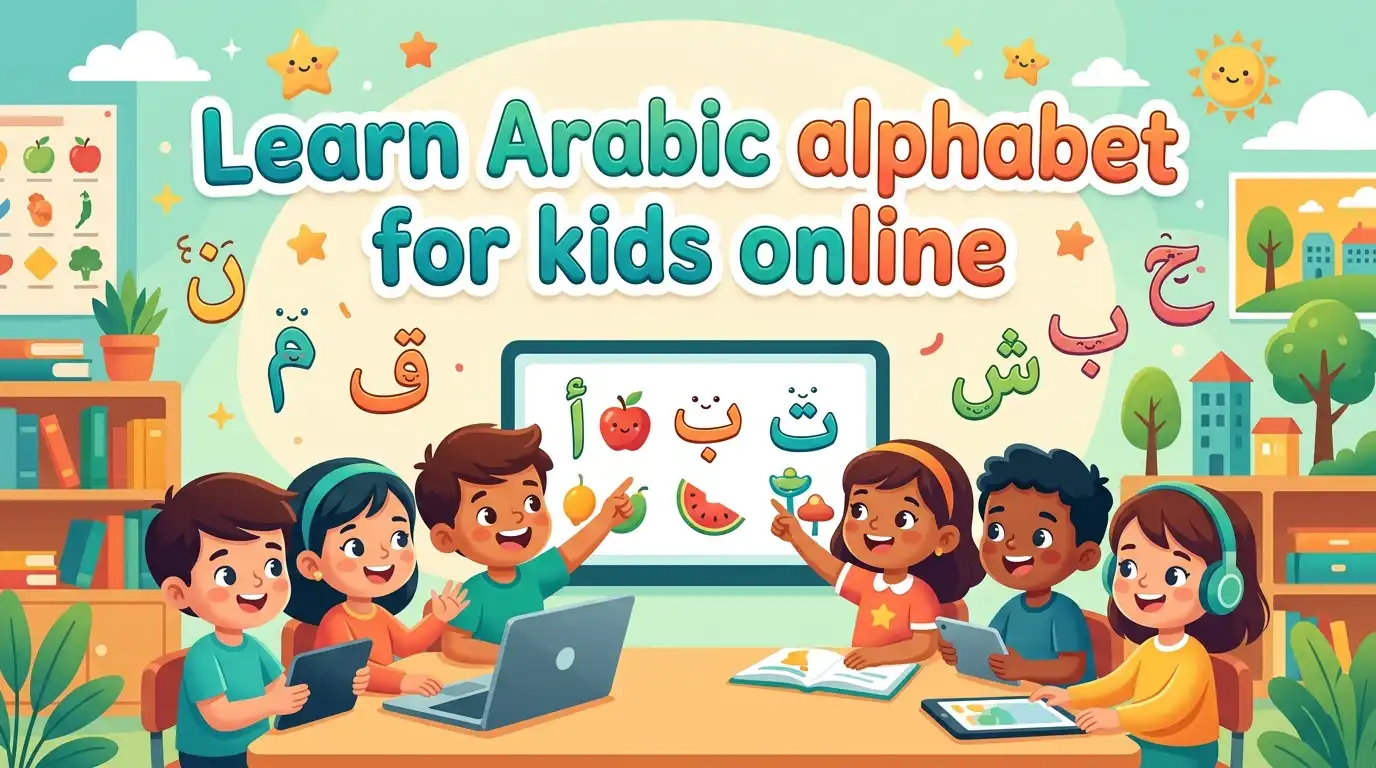
Walk into any first trial class at Quran Bliss Academy and the structure looks nothing like a rushed sales pitch.
- A proper Arabic alphabet lesson introduction usually starts with the teacher greeting the child by name, showing two or three letters through a picture or song, then asking the child to repeat the sound out loud.
- There’s no writing pressure in the first session — just recognition and comfortable pronunciation.
Parents searching for Learn Arabic Online the Easy Way often assume “easy” means skipping structure, but it actually means breaking a 28-letter alphabet into small, five-minute chunks a child can absorb without frustration.
Understanding the Arabic Alphabet: What Kids Need to Know First
Before learning to read Arabic, kids need to understand the basic structure of the alphabet, letter forms, and pronunciation rules that build a strong foundation.
How Many Letters Are There in the Arabic Alphabet?
This is usually the very first question a curious child, or a nervous parent — asks before the first lesson even begins.
- The Arabic alphabet has 28 letters, and unlike English, there’s no separate uppercase or lowercase version to memorize twice.
- Every letter is a consonant, and short vowel sounds are shown with small marks above or below the letter instead of separate vowel letters.
- Because there’s no case distinction, children often move through basic letter recognition faster than parents expect.
- Trickier details, like the leen letters in arabic and the letters of qalqalah in arabic, aren’t introduced until much later, once a child is comfortable blending letters into full words.
How Letters Change Shape (Beginning, Middle, End)
The alphabet doesn’t stay still once children start reading real words, and this is where many self-taught learners get stuck.
- Each Arabic letter can look slightly different depending on whether it appears at the beginning, middle, or end of a word, and whether it connects to the letters around it.
- A good teacher introduces this gradually, using the same two or three letters repeatedly until the shape changes feel familiar instead of confusing.
Best Age to Start Learning the Arabic Alphabet
Choosing the right age helps children learn Arabic more naturally, as each stage requires a different teaching approach based on their abilities and learning readiness.
Ages 3–5: Play-Based Introduction
- The three-to-five range is less about literacy and more about building comfort with unfamiliar sounds.
- At this stage, formal writing isn’t developmentally realistic for most children since fine motor skills are still forming.
- A specialized Arabic tutor for children UK families often recommend focuses on songs, shapes, and pointing games instead of pencils.
Ages 6–8: Structured Writing & Recognition
- Somewhere around age six, most children are ready for their first real pencil-and-paper practice.
- This is also the age when parents start asking is learning arabic difficult compared to what their child is already studying in school.
- In truth, six-to-eight-year-olds who’ve had a solid alphabet foundation usually move through tracing and basic reading faster than adults expect.
Ages 9–12: Reading Fluency & Early Quran Foundations
- By nine or ten, most children who started early are ready to move beyond isolated letters.
- This is the natural stage to introduce quran tajweed rules for beginners, since the child already recognizes every letter and its shapes.
- Many families choose to learn tajweed online at this point, transitioning smoothly from alphabet class into supervised Quran reading with the same teacher.
- Revisiting details like the letters of qalqalah in arabic becomes far easier once a child already reads confidently, rather than trying to explain pronunciation rules before the letters themselves are secure.
Fun Online Methods That Actually Work
Children learn Arabic faster when lessons combine learning with fun and interaction. The best online methods use different activities to keep kids engaged while helping them recognize letters, improve pronunciation, and build confidence.
Songs & Videos
- Every parent has watched their child memorize a cartoon theme song after one viewing, and Arabic letters work the same way.
- Catchy alphabet songs help children absorb both the shape and the sound of a letter without feeling like they’re “studying.”
- This is a major reason so many families now search specifically for teaching arabic online in usa options that include musical, video-based lessons instead of textbook-only formats.
Flashcards & Tracing Worksheets
- Screens aren’t the only tool that works — some of the oldest methods still hold up best.
- Flashcards remain one of the best way to teach letter recognition, especially when children help color or decorate them themselves.
- Tracing worksheets add the muscle memory that pure screen time can’t replicate.
Interactive Games & Apps
- Between formal lessons, children need low-pressure ways to keep practicing without losing interest.
- Matching games, letter-hunt apps, and simple drag-and-drop activities are a great supplement to live lessons.
- Just remember that when parents search Learn Arabic Alphabets Online for Kids, an app should support a real teacher’s curriculum, not replace it entirely.
How Do Kids Move from Learning the Alphabet to Reading the Quran?
Learning the Arabic alphabet is the first foundation, but the next goal is helping children use those letters to read the Quran correctly. Many families continue this journey to learn quran online with the same structured approach.
- Building Quran Reading Skills: After mastering the 28 letters, children begin combining letters into words and improving their reading fluency.
- Introduction to Tajweed: At this stage, children begin understanding the meaning of tajweed in islam and why correct pronunciation matters.
- Starting with Short Surahs: Many beginners begin with Surah Al-Fatiha because it helps children practice familiar letters in real Quranic verses.
- Learning Noorani Qaida: This stage helps children strengthen their Arabic reading foundation and prepare for more advanced Quran lessons.
- Continuing with Qualified Teachers: A structured learning path ensures children progress from alphabet recognition to confident Quran reading with proper guidance.
Feature | Free Apps | Independent Tutor | Structured Academy Program |
Live teacher interaction | No | Yes | Yes |
Structured curriculum by age | No | Sometimes | Always |
Tajweed & Quran pathway included | No | Rarely | Yes |
Progress tracking for parents | No | Rarely | Yes |
Best for | Casual practice | Budget-conscious families | Long-term literacy & Quran reading |
Mistakes Parents Should Avoid
A few avoidable mistakes quietly derail more children’s progress than the alphabet’s difficulty ever does.
Relying only on apps with no live teacher feedback on pronunciation
- Skipping letter-shape variations and moving straight to full words
- Choosing a tutor on price alone — the same problem behind every viral top 10 best arabic teacher in the world list ranked by reviews, not actual teaching qualifications
- Some parents choose tutors offering teaching arabic online without a degree, but qualifications and teaching experience should always be checked.
- Leaving long gaps between lessons that force the teacher to re-teach previous letters
Start Learning Arabic with Quran Bliss Academy

Choosing the right Arabic learning program is an important step for your child’s progress. At Quran Bliss Academy, children can Learn Arabic alphabet for kids online through live, interactive lessons with certified teachers who use age-appropriate methods to make learning simple, engaging, and effective. A free trial class allows parents to experience the teaching approach and see how their child responds before starting a full course.
- Live One-to-One Lessons: Your child learns directly with a qualified teacher who provides personal guidance and correction.
- Child-Friendly Learning Methods: Lessons include engaging activities that help kids recognize Arabic letters, improve pronunciation, and build confidence.
- Flexible Learning Schedule: Classes are designed to fit family routines while maintaining consistent progress.
- Free Trial Experience: Try the program, meet the teacher, and discover the best learning path for your child before enrollment.
Conclusion
Every child learns at a different pace, but structured lessons and expert guidance create real progress. With Quran Bliss Academy, your child can Learn Arabic alphabet for kids online through engaging classes that build strong reading skills. Book a free trial class today and start your child’s Arabic learning journey with confidence.
Frequently Asked Questions
Most teachers agree that three to five is early enough for playful exposure, but structured lessons tend to stick best once a child turns six and can hold a pencil comfortably.
With consistent 20–30 minute sessions two to three times a week, most children recognize and write all 28 letters within eight to twelve weeks.
Live, one-on-one online classes often outperform crowded in-person classrooms, since the child gets the teacher’s full attention every session instead of sharing it with a large group.
Yes. A confident grasp of letter shapes and sounds makes the transition into Quran reading significantly smoother and less frustrating for the child.
Look for certification, real experience teaching children specifically, and a curriculum that clearly maps out progress from single letters to full reading fluency. What age is best to start learning the Arabic alphabet online?
How long does it take a child to learn all the Arabic letters?
Do online Arabic classes work as well as in-person lessons for kids?
Should my child learn the alphabet before starting Quran lessons?
What should I look for in an online Arabic teacher for my child?
Quran Recitation
with Tajweed
Master accurate Qur’an recitation with clear Tajweed rules.
Learn More